
Blogs
Track Smarter, Learn Faster: AI Voice Support, Curated Resources, and a Thriving Community
Latest Blogs

February 4, 2026
A Brain-Based Guide to the First 30 Days of Recovery
The first 30 days of recovery aren't just a test of willpower—they are a biological crisis as your brain literally rewires itself from the inside out. This guide breaks down the high-risk "danger zones" of the first month, explains why your emotions feel like chaos, and reveals the 2026 science behind how your neural pathways actually heal. Stop wondering why it feels so hard and learn the specific, brain-based strategies you need to survive the first 30 days and finally make sobriety stick.

February 4, 2026
How New Rewards Heal the Dopamine System
Nothing feels good in early recovery—food is bland, music is flat, and you wonder if joy will ever return. New 2025 brain imaging shows dopamine receptors increase 15-20% in the first 90 days, but only if you actively pursue new rewards, and people who engage in varied rewarding activities recover 34% faster than those who just wait. Here's why feeling comes last (not first), which activities rebuild your reward system fastest, and how to persist through 60-90 numb days until pleasure genuinely returns.
February 4, 2026
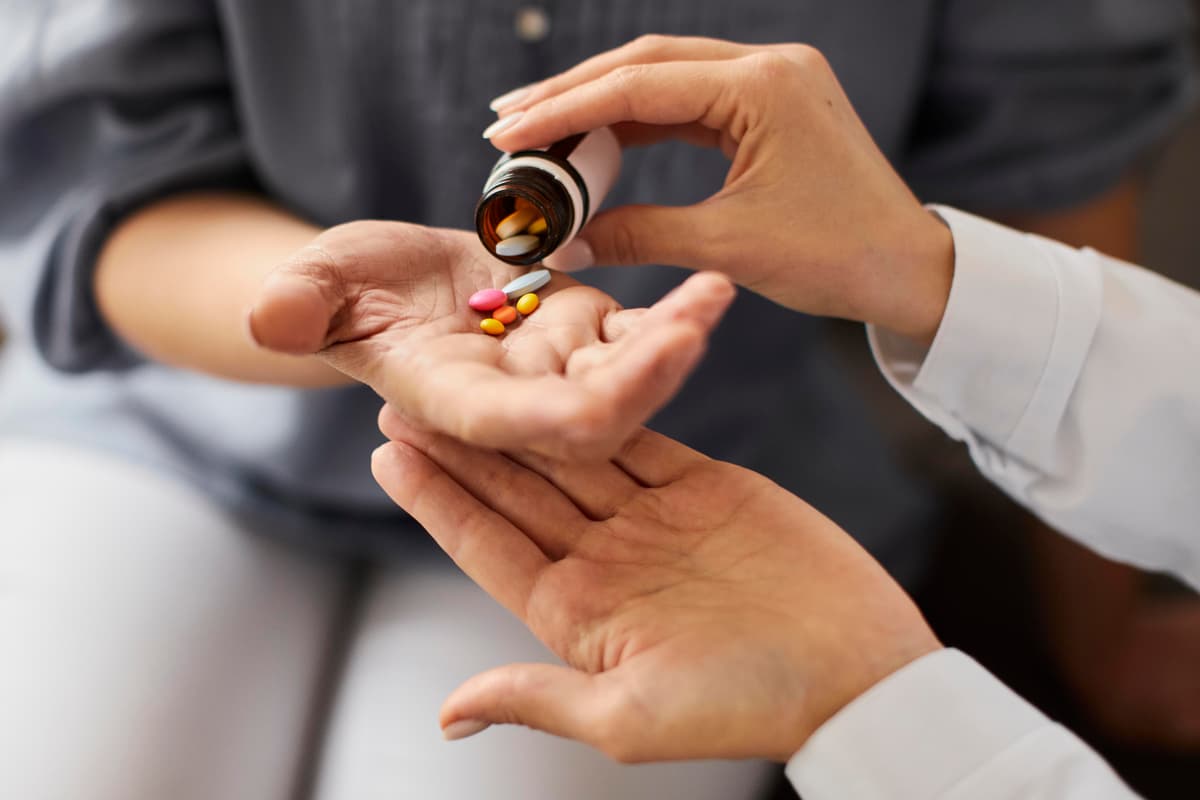
Why Medication and Faith Work Better Together
Your doctor says take medication, your faith community says that's not real recovery—you're forced to choose. But 2025 research tracking 3,200 people shows combining medication and faith produces 71% sobriety rates versus 52% for meds alone or 47% for faith alone. Here's why your brain needs both chemical stability AND spiritual meaning, and how medication actually enables deeper faith engagement rather than replacing it.

February 4, 2026
How Tracking Triggers Strengthens Sobriety
You know stress, loneliness, and certain places trigger cravings—but you're missing the real patterns. Most relapses involve 3-5 combined factors, not one obvious trigger, and without tracking you can't see these connections until it's too late. New 2026 research shows people who track triggers consistently for 90+ days have 37% lower relapse rates, and brain imaging reveals why: tracking activates your prefrontal cortex fast enough to create a "recognition buffer" before cravings fully develop. Here's how to make invisible trigger patterns visible and turn surprise cravings into predictable moments you can prepare for.

February 4, 2026
Why 3 AM Cravings Need Immediate Support
It's 3 AM and the craving hits hard—your sponsor is asleep, meetings are hours away, and you're alone trying to "tough it out." Research shows nighttime cravings are 3.4 times more likely to cause relapse because your brain's impulse control weakens while emotional intensity spikes, and getting support within 15 minutes gives you an 89% success rate versus only 34% if you wait an hour. Here's the neuroscience behind why 3 AM is so dangerous and why immediate 24/7 support saves sobriety.

February 4, 2026
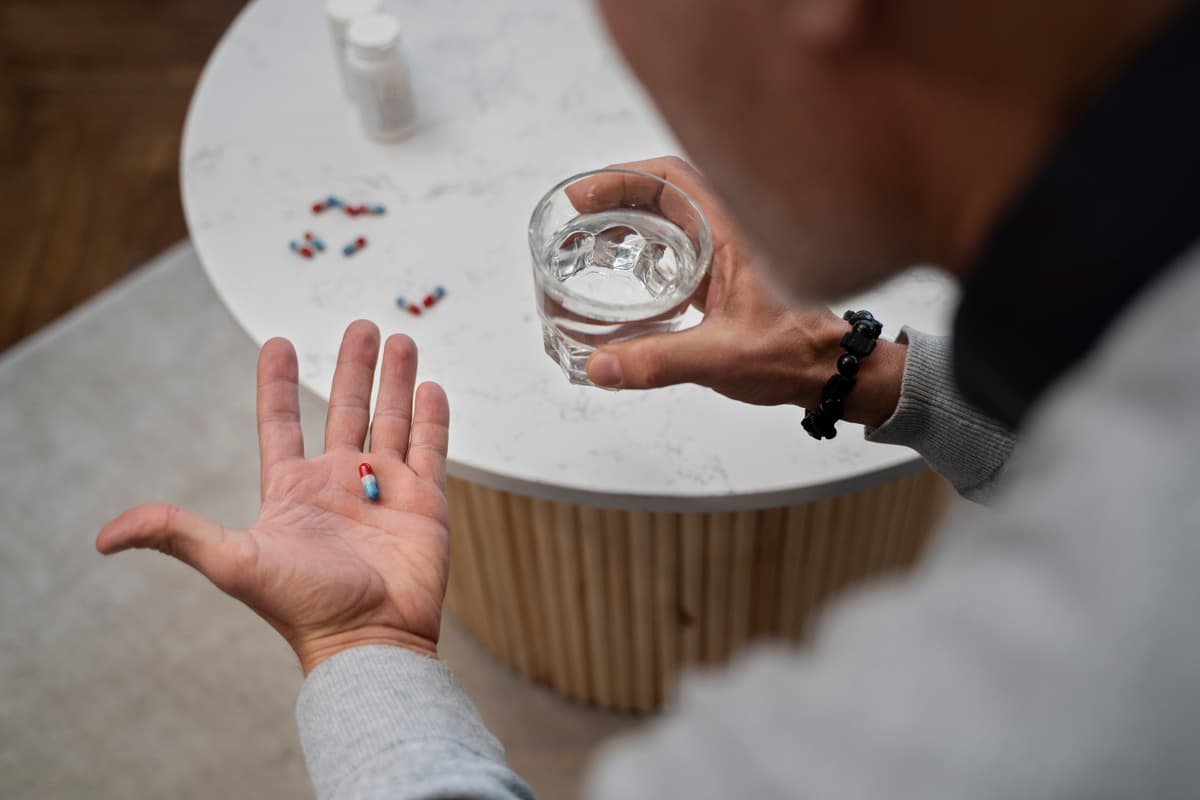
The Dopamine Deficit and Why Willpower Isn’t Enough
You're not weak. Your willpower isn't failing you. A 2025 neuroscience study reveals why willpower is impossible in early recovery—and what actually works when your dopamine is depleted.
February 4, 2026
Addiction Recovery in the Fentanyl Era
Recovery from fentanyl isn't the same as recovery from previous drugs. A 2026 study reveals why one relapse is more dangerous—and the four critical tools that make recovery possible in the fentanyl era.

February 4, 2026
Personalized Faith and Brain Healing Beyond 12 Steps
12 steps don't work for everyone. A 2025 Stanford study proves personalized faith approaches show equal recovery outcomes. Discover why your beliefs matter more than following someone else's program

February 4, 2026
Why Relapse Is Part of the Recovery Process
You relapsed and you think you failed. But a 2026 neuroscience study proves relapse isn't failure—it's how brains learn. Discover why 40-60% relapse and why continuing after relapse leads to the same success as never relapsing.
February 4, 2026
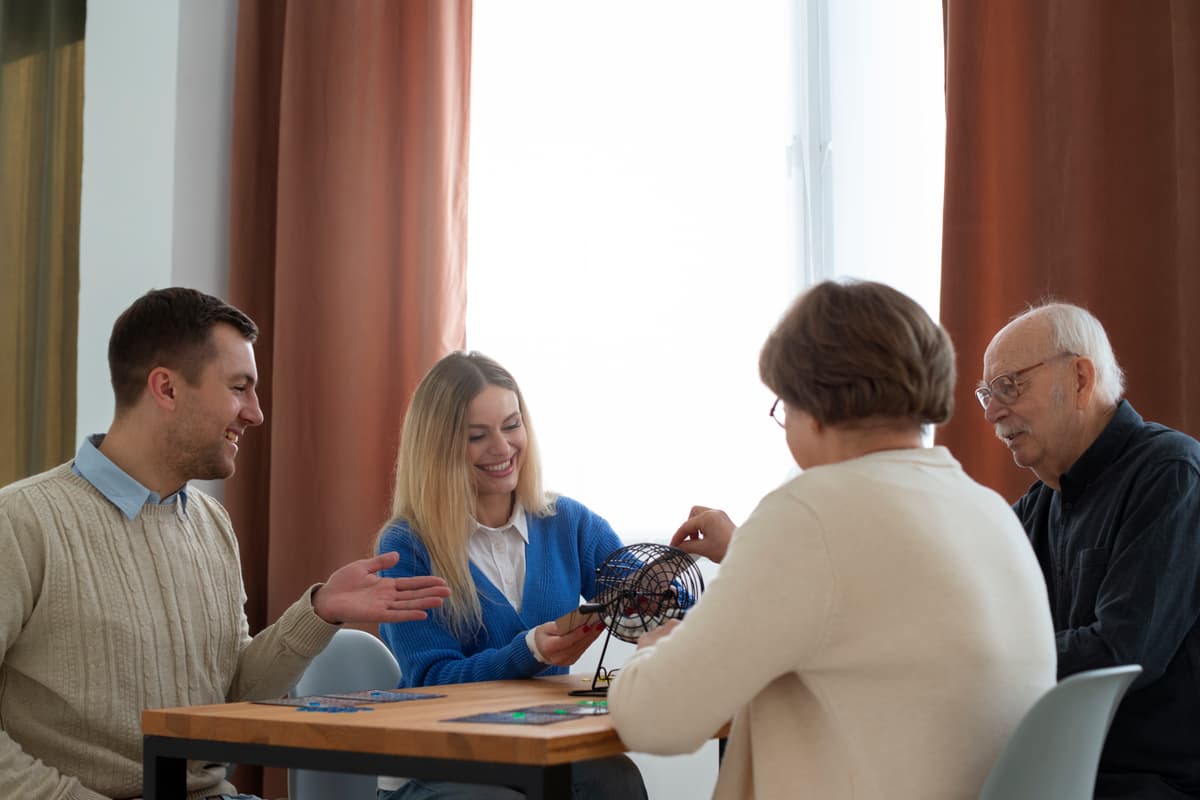
Why Connection Is Essential for Recovery
You don't have to do recovery alone. A 2026 neuroscience study proves people with regular connection show significantly lower cravings and faster brain healing. Discover why connection is essential—not optional.

February 4, 2026
How Trauma Trains the Brain for Addiction
You've been blaming yourself for relapsing. But your trauma trained your brain to need relief. A 2025 neuroscience study shows why addiction and trauma are neurologically connected—and why you need to heal both to recover
February 4, 2026
How 24/7 AI Support Is Changing Recovery
The craving hits at 2 AM. Your sponsor is asleep. Your therapist won't be available for hours. This is when most people relapse. Here's how 24/7 AI support is filling the gap—and what neuroscience says about why it works.

February 4, 2026
How Prayer and Meditation Support Brain Recovery
Prayer and meditation aren't just about feeling peaceful. A 2026 study shows they're the most powerful tools for rebuilding a brain damaged by addiction—reducing cravings and rebuilding purpose simultaneously.

February 4, 2026
Why Recovery Apps Work Better Than Short Rehab
You finished 28 days of rehab, then got sent home where all your triggers still exist. Studies show 40-60% relapse within a year—not because rehab failed, but because your brain needs 6-14 months to heal, not 30 days. New 2026 research proves recovery apps with daily support produce 34% better long-term sobriety rates than short rehab alone. Here's why continuous care beats intensive short-term treatment.

February 4, 2026
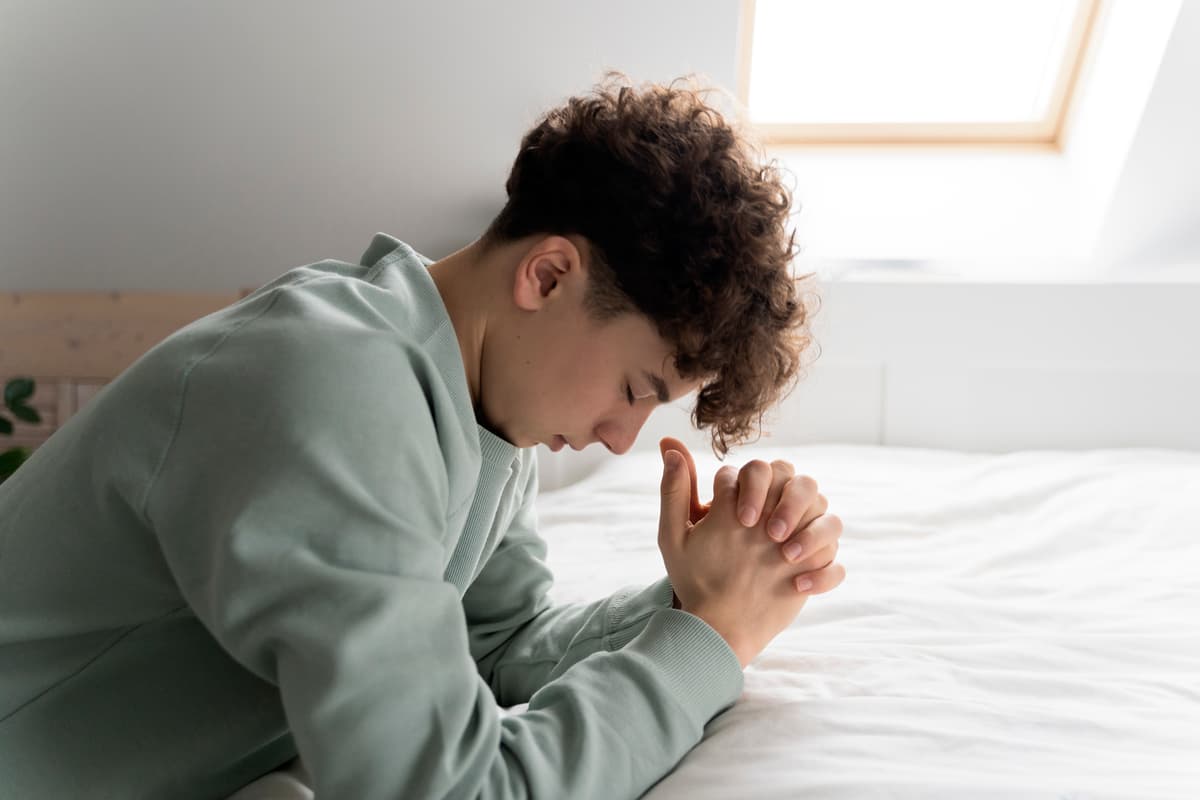
Anhedonia in Recovery and How Joy Comes Back
You're doing everything right in recovery, but nothing feels good anymore. Music is flat, food is tasteless, and you're wondering if joy will ever return. This is anhedonia—and up to 75% of people in early recovery experience it.
February 4, 2026
How Faith Personalization Improves Recovery Outcomes
Recovery programs usually force everyone into the same spiritual framework, making you choose between your actual beliefs and getting help. New 2025 research shows faith-aligned recovery produces 43% better sobriety rates than generic approaches—not because one religion is superior, but because your brain only responds to authentic spirituality, not forced beliefs. Here's why personalized faith support dramatically improves outcomes and how to find recovery that honors who you actually are

February 4, 2026
Why Spiritual Awakenings Help People Stay Sober
Your brain is searching for meaning. If it doesn't find spiritual connection, it will find your old addiction. Learn how to redirect that search and transform sobriety from survival to freedom.

February 4, 2026
How Journaling Rewires the Recovering Brain
Therapists tell you to journal but never explain why it works—so most people skip it. Brain imaging research from 2025 shows daily journaling for 90 days increases impulse control by 18%, reduces emotional reactivity by 23%, and lowers relapse rates by 31%. Here's how writing physically rewires your brain, why naming emotions reduces their intensity by 40%, and how three minutes daily rebuilds what addiction damaged.

February 3, 2026
How Structure Protects the Brain in Early Recovery
Structure isn't punishment—it's brain protection. A 2025 study shows people with planned days have significantly lower relapse rates. Discover why removing decisions from your day is the smartest recovery move you can make
February 3, 2026
Your Brain After 90 Days Sober: The Neuroscience Timeline of Recovery in 2026
Your brain heals in phases. Understand the 90-day timeline.

October 27, 2025
Why Early Recovery Feels Different for Everyone
Feeling emotional after quitting? Or maybe you’re riding the Pink Cloud? Both are normal. Here’s what’s happening inside your brain in early recovery.

June 19, 2025
Sober Mornings: Why Waking Up Clear Is the Real High
Discover the power of sober mornings and how waking up clear, calm, and connected is the true high.
June 19, 2025
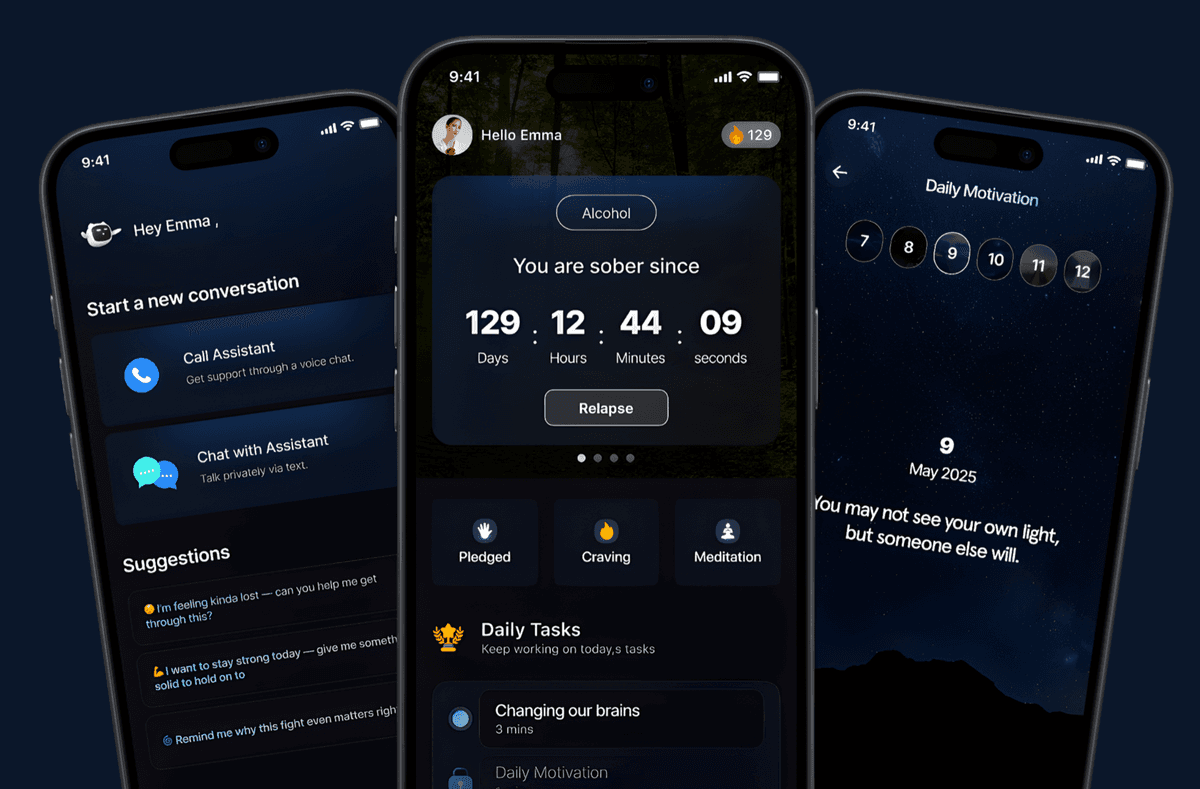
App for Sobriety and Recovery Support - TryPhase
Looking for the best sobriety app in 2025? Discover how TryPhase is transforming addiction recovery through science-backed tools, AI support, and personalized tracking

June 19, 2025
The Silent Relapse: Why Numbness Is a Warning Sign
Not all relapses are loud some begin in silence. This blog explores the signs of a silent relapse, how numbness can signal disconnection from recovery, and what steps you can take to reconnect before slipping back.
Improve your Lifestyle quality in less than 3 weeks
90% of users report greater emotional clarity and reduced cravings within two to six weeks of using TryPhase's structured sobriety tools and daily recovery tracking.

Download on the
App Store
.webp&w=1200&q=75)