
Nothing feels good in early recovery. Food tastes bland. Music sounds flat. Time with friends feels empty. Activities you used to enjoy before addiction feel pointless now.
This isn't depression, though it feels similar. It's a damaged dopamine system.
Substances flooded your brain with artificial dopamine for so long that your natural reward system shut down. Now that you're sober, your brain can't produce enough dopamine to make normal activities feel rewarding.
The question everyone asks: Will this ever get better? Will anything feel good again?
Yes. But not by waiting. Your dopamine system heals through deliberately pursuing new rewards that teach your brain how to feel pleasure naturally again.
What Science Says About Dopamine and Recovery
Dopamine is your brain's reward chemical. It's released when you experience something pleasurable, and it motivates you to seek that experience again.
Here's what addiction does: substances cause massive dopamine spikes—10 to 100 times higher than natural rewards like food, sex, or social connection. Your brain adapts to these artificial floods by reducing dopamine production and decreasing the number of dopamine receptors.
This is called downregulation. Your brain is trying to maintain balance in the face of overwhelming stimulation.
When you stop using substances, you're left with a depleted system. Low natural dopamine production plus fewer receptors equals an inability to feel pleasure from normal activities. This is anhedonia—the medical term for the inability to experience pleasure.
A 2025 study from the Journal of Neuroplasticity tracked dopamine receptor recovery in people with 6-18 months of sobriety. Using PET scans, researchers measured receptor density in the nucleus accumbens (the brain's primary reward center) at monthly intervals.
The results showed that dopamine receptor density increased an average of 15-20% in the first 90 days of sobriety. But here's the critical finding: people who actively pursued new rewarding activities showed 34% faster receptor recovery than those who didn't.
Simply staying sober allows some natural healing. But actively engaging your reward system accelerates recovery significantly.
Why? Because dopamine receptor production is activity-dependent. Your brain builds more receptors in response to consistent exposure to natural rewards. When you repeatedly experience activities that produce even small amounts of dopamine, your brain interprets this as "we need more receptors to process these rewards."
It's similar to how muscles build in response to exercise. The activity signals the need for growth.
A 2026 longitudinal study examined what types of activities most effectively restored dopamine function. Researchers tracked 2,400 people in recovery and measured both brain chemistry and self-reported pleasure responses over 12 months.
The activities that produced the fastest dopamine system recovery were:
Physical exercise (aerobic and strength training)
Learning new skills (musical instruments, languages, crafts)
Social activities that involved cooperation or shared goals
Creative expression (art, writing, music creation)
Acts of service or helping others
Nature exposure and outdoor activities
Achievement-oriented tasks with clear progress markers
What these activities have in common: they all produce natural dopamine release through effort and accomplishment. They require engagement, not passive consumption.
The research also revealed something crucial about timing. The first 90 days of pursuing new rewards showed minimal subjective pleasure. People reported feeling like they were "going through the motions" without actually enjoying the activities.
But brain scans showed dopamine activity was increasing even when people couldn't feel it yet. By 120 days, most people started reporting genuine pleasure from these activities. The feeling lagged behind the neurological changes by about a month.
This delay is why so many people give up too soon. They try new activities, feel nothing, and conclude "nothing will ever feel good again." But their brain was actually healing—they just couldn't feel it yet.
The dopamine system doesn't repair through a single activity or a single type of reward. It heals through variety and consistency. Your brain needs exposure to multiple natural reward types to rebuild a fully functioning system.
Research on reward diversity shows that people who engaged in 3-5 different rewarding activities weekly showed 41% better dopamine recovery than those who focused on just one activity.
What Actually Helps Restore the Reward System
Rebuilding your dopamine system isn't passive. It requires deliberately pursuing activities that feel unrewarding at first but train your brain to feel pleasure again.
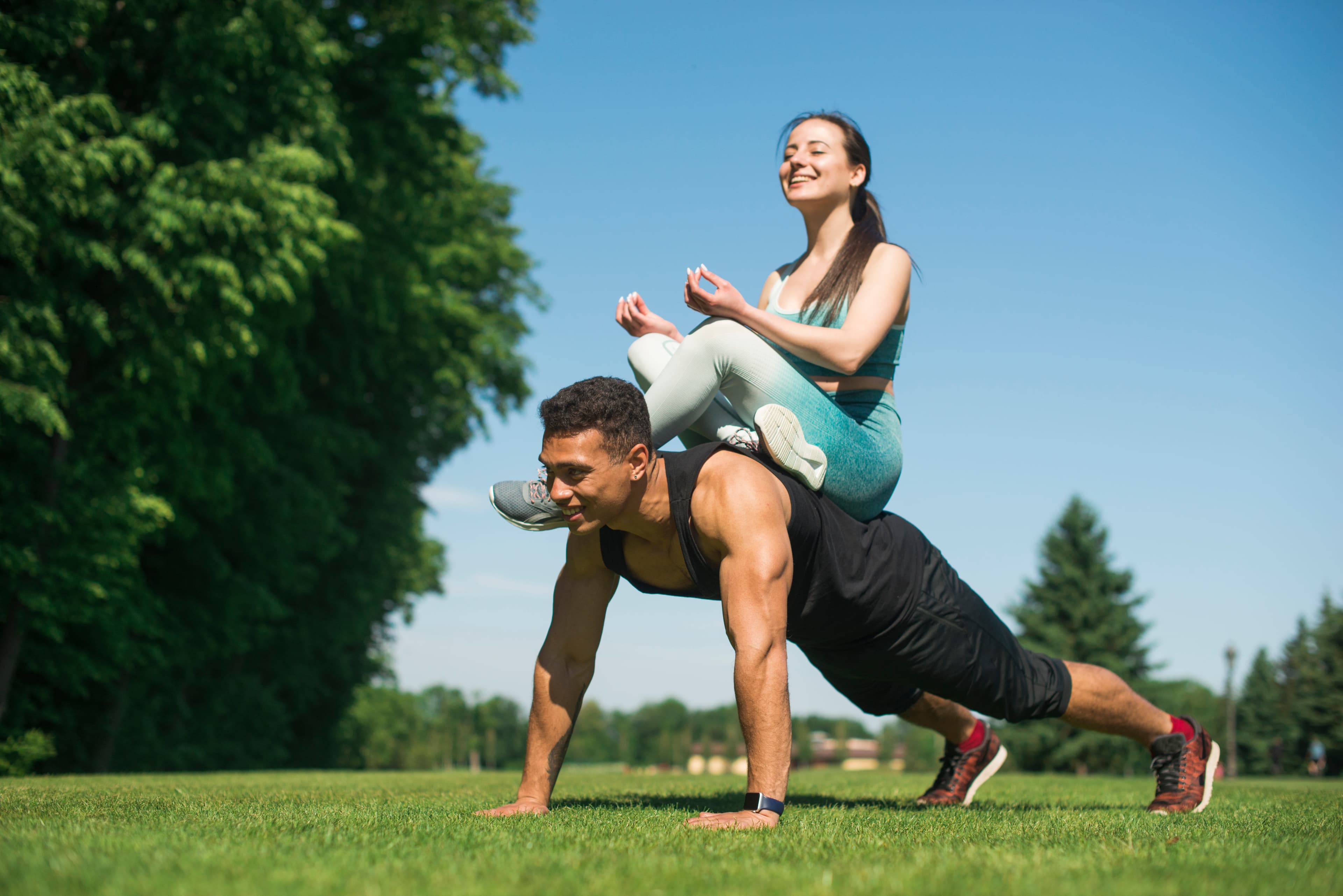
Exercise is the most powerful dopamine builder. Aerobic exercise increases dopamine production and receptor sensitivity. You don't need intense workouts—30 minutes of walking, cycling, or swimming triggers dopamine release. The key is consistency. Daily movement, even when it doesn't feel good, teaches your brain to respond to natural rewards. Research shows effects begin within 2 weeks, even if you can't feel them yet.
Learn something completely new. Learning activates the brain's reward system differently than substances ever did. The challenge-accomplishment cycle produces dopamine naturally. Pick something you've never tried: an instrument, a language, woodworking, coding, painting. The novelty matters—new skills activate reward pathways more strongly than familiar activities. Track your progress to make the accomplishments visible when your brain can't feel them yet.
Create before you consume. Passive activities like watching TV produce minimal dopamine. Creating something—writing, drawing, building, cooking—activates reward systems more effectively. You don't need talent. The act of creation matters more than the quality of what you create. Your brain responds to the effort and completion, not the artistic merit.
Help someone regularly. Service and helping behaviors activate reward systems through social connection and purpose. Volunteer once a week. Help a neighbor. Mentor someone. Acts of service produce oxytocin (bonding) and dopamine (reward) simultaneously. This combination is particularly effective at restoring pleasure responses.
Set tiny, achievable goals daily. Your reward system needs frequent small wins to rebuild. Make your bed. Complete one work task. Cook one meal. Read for 15 minutes. These micro-accomplishments produce small dopamine releases that accumulate over time. Tryphase's tracking features let you mark these daily achievements, creating visible evidence of progress when your brain can't feel it yet. Seeing a streak of completed goals triggers additional dopamine, reinforcing the behavior.
Pursue social activities even when they feel empty. Your brain's social reward system is severely damaged by addiction. It heals through repeated social exposure, even when connection feels hollow initially. Join a group. Attend meetings. Show up for friends. The feeling follows the consistency, not the other way around. Within 8-12 weeks, social activities typically start feeling rewarding again.
Track new rewards systematically. When you try a new activity, journal about it immediately. Not how it felt (which will probably be "nothing"), but what you did and that you completed it. Tryphase's journaling feature lets you document these attempts and review them later. When pleasure returns, you'll see exactly which activities your brain responded to over time, creating your personalized reward map.
Add variety weekly. Don't stick to only one type of reward. Try different activities each week. Physical one day, creative another, social another, learning another. Variety accelerates receptor development because different activities activate slightly different dopamine pathways. You're rebuilding an entire system, not just one pathway.
Celebrate micro-improvements. Your brain won't feel dramatically better suddenly. You'll notice tiny moments: food tasting slightly better, music sounding a bit clearer, conversation feeling slightly less exhausting. These micro-improvements signal healing. Acknowledge them. Write them down. They're evidence your dopamine system is recovering.
Use novelty strategically. New experiences activate reward systems more than familiar ones. Try new foods. Take different routes. Visit new places. Listen to new music. Each novel experience creates a small dopamine response that helps rebuild receptor sensitivity. The unfamiliarity matters neurologically.
What doesn't work: Waiting for motivation before starting activities. Expecting activities to feel good immediately. Giving up after two weeks when nothing feels different yet. Relying on a single activity to restore your entire reward system. Comparing your timeline to others. Using other substances to "speed up" recovery. Passive consumption instead of active engagement.
What to Do Right Now
Choose one new activity to start today. Not tomorrow. Today.
Pick something you've never done before or haven't done in years. Something that requires even minimal effort: try a new recipe, take a different walking route, watch a tutorial and attempt what it teaches, write three paragraphs about anything, draw something badly, call someone you haven't talked to in months.
Do this activity for 15 minutes. That's all. It probably won't feel good. Do it anyway. You're not doing it for the feeling—you're doing it to activate dormant reward pathways.
Write down what you did. Not how it felt, just what you completed. This documentation matters more than you think. Months from now when activities start feeling rewarding again, you'll look back and see exactly how long you persisted before the feeling returned.
Commit to trying three new activities this week. Different types: one physical, one creative, one social. Fifteen minutes each. The variety matters for dopamine system recovery. Mark each attempt in your phone or recovery app.
Set a 90-day timeline. Tell yourself: "I will pursue new rewarding activities consistently for 90 days before judging whether my dopamine system is healing." Most people start feeling genuine pleasure somewhere between 60-120 days. You need to persist through the numb period to reach the recovery period.
Join one new group or class this month. Something that meets regularly. The consistency and social element accelerate reward system healing. It doesn't matter if it's a recovery meeting, an exercise class, a hobby group, or volunteer organization. Show up weekly even when it feels pointless.
Your Reward System Can Heal
The numbness you feel right now is temporary. Your dopamine system is capable of complete recovery. But it won't heal through waiting.
Natural rewards rebuild what substances destroyed. But you have to engage with those rewards consistently before you can feel them again.
The feeling comes last, not first. Action comes first. Consistency comes second. Brain healing comes third. Then, eventually, the pleasure returns.
Thousands of people have walked through months of numb sobriety and emerged on the other side with a reward system that works better than before addiction. You're not broken permanently. Your brain is healing—you just can't feel it yet.
Keep showing up for new rewards. Your dopamine system is listening, even when you can't feel it responding.
Ready to rebuild your reward system? Tryphase helps you track new activities, journal about micro-improvements, and see patterns in your recovery that your brain can't feel yet. With AI support to suggest reward-building activities and tracking features that show your consistency even during numb periods, you'll have the tools to persist until pleasure returns. Download Tryphase and start teaching your brain to feel good naturally again. Because your dopamine system can heal—but only if you actively engage it, and tracking makes that engagement sustainable.

.webp&w=1200&q=75)